Water Damage Restoration
From emergency mitigation through dry-out and coordination for rebuild work, with documentation that supports insurance claims when applicable.
Serving Philadelphia, Pennsylvania & surrounding areas
Limit damage with fast water extraction and controlled structural drying. We respond to leaks, flooding, and burst pipes, then document the work so you can move forward with repairs and insurance steps.
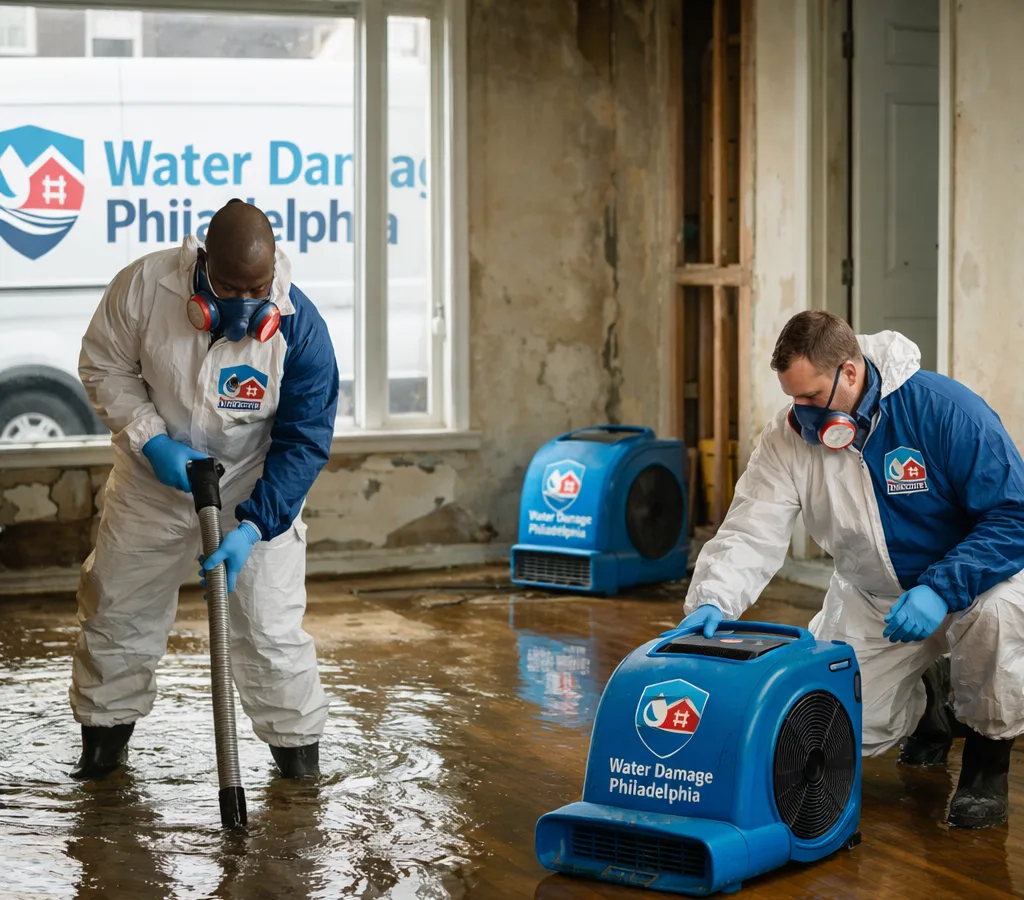
Water damage in Philadelphia moves quickly. Within hours, moisture can spread into drywall, baseboards, flooring, and the cavities behind plaster or tile. The goal is simple: stop the water source, remove what you can, and dry the structure thoroughly so you do not end up with warped materials, odors, or secondary damage.
Water Damage Philadelpha provides water damage Philadelphia PA service for homes, condos, and small commercial spaces. We focus on the work that actually reduces loss: water extraction, controlled demolition when needed, targeted drying, and daily moisture checks. If you are dealing with a supply line break, overflowing fixture, rain intrusion, or a sewage backup, you get a clear plan and a documented scope before major work begins.
Request Emergency Service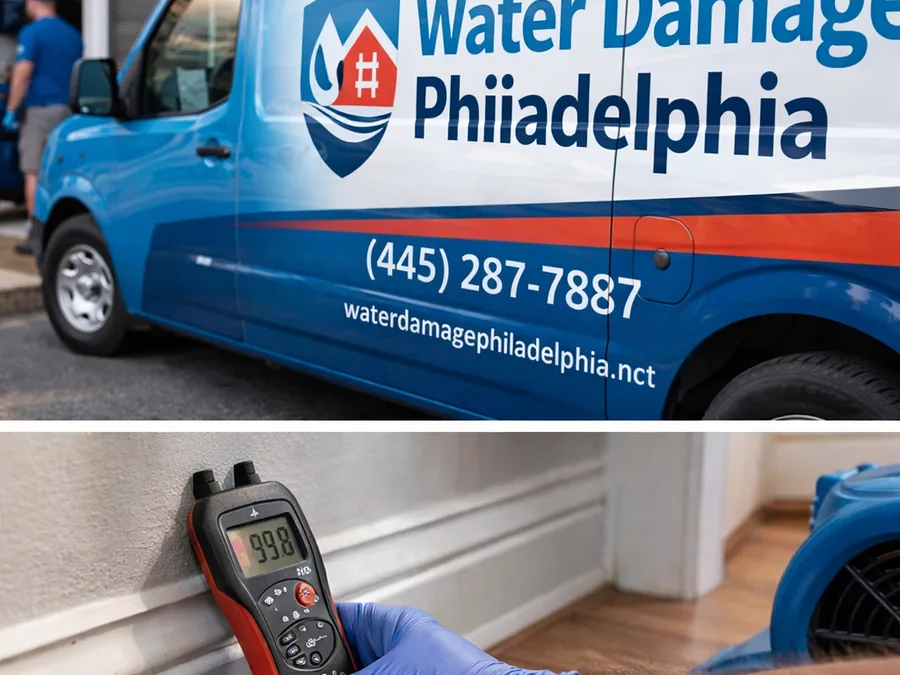
From emergency mitigation through dry-out and coordination for rebuild work, with documentation that supports insurance claims when applicable.
Pinpointing hidden plumbing leaks and moisture pathways to stop ongoing damage before repairs begin.
Safe containment and physical removal of affected materials, followed by cleaning of nearby surfaces to reduce cross-contamination.
A full remediation plan for larger or recurring problems, including containment, air filtration, removal, and post-work verification steps.
On-site inspection to identify likely moisture sources and visible growth patterns, with practical next steps for cleanup and prevention.
Targeted sampling where appropriate to confirm suspected mold issues and help guide the right level of remediation.
We isolate wet areas early to limit spread into adjacent rooms, shared walls, and finished spaces.
Air movers and dehumidifiers are placed based on materials and moisture readings, not guesswork.
We track moisture in affected walls, floors, and structural components to confirm drying progress.
If saturated drywall, insulation, or flooring cannot be saved, we remove only what is necessary to dry properly.
You receive a written scope and photos that help support property decisions and insurance conversations.
We protect walk paths, keep equipment organized, and explain what is happening each day.
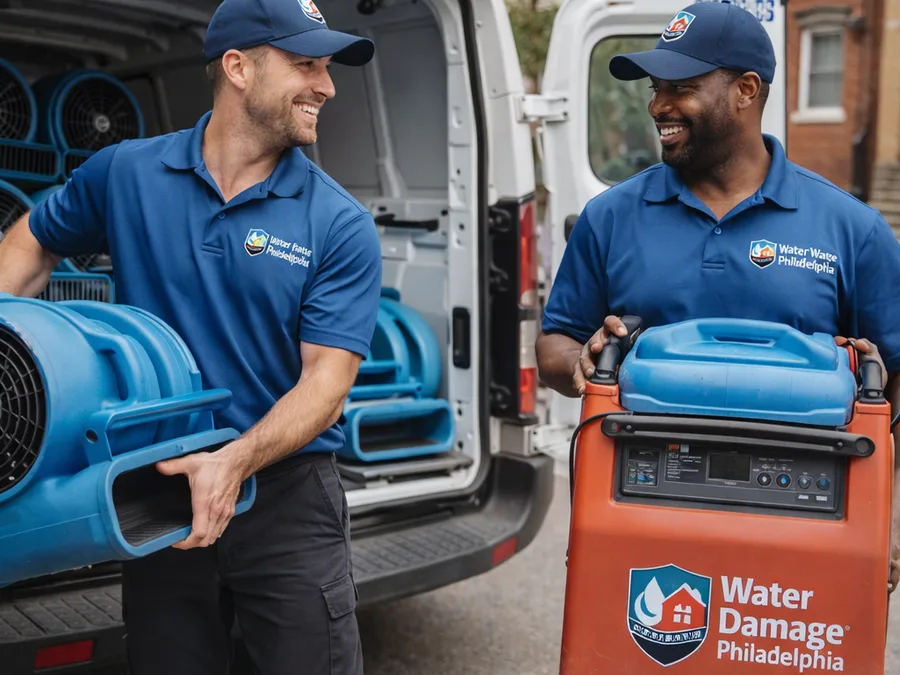
Water Damage Philadelpha is a Philadelphia-based crew focused on water damage cleanup and dry-out work that prevents bigger repairs later. A lot of properties here are attached homes and older buildings, where moisture can travel through party walls, subfloors, and tight cavities. We approach each job with careful inspection, controlled drying, and straightforward communication so you know what is wet, what is being removed, and what conditions are needed before rebuild work starts.
You should expect a contractor to be practical and transparent during an emergency. We explain the likely cause, the risks we are watching for, and the steps required to get back to a dry, stable structure. If the situation points toward additional issues like microbial growth, we will tell you early so you can make decisions before time and money are wasted.
Request Emergency ServiceMost water damage Philadelphia PA cleanup projects typically run about $1,200 to $6,000, with small leak dry-outs often around $600 to $1,500 and larger losses that need demolition, multiple days of drying, and detailed monitoring commonly $5,000 to $15,000+.
Final pricing depends on how far water traveled, the category of water (clean vs. contaminated), materials affected (hardwood, plaster, insulation), access to wet cavities, and how many days of equipment and technician visits are required. The exact cost is confirmed after an on-site inspection and moisture mapping.
A measured response identifies hazards, removes water, dries affected materials, and confirms when the structure is ready for the next phase.
Request Emergency ServiceWe identify the water source, check for electrical and slip hazards, and note materials at risk (wood floors, drywall, cabinets).
Standing water is extracted. If materials are too saturated to dry safely, we remove them to open the structure.
We place dehumidifiers and air movers, set drying targets, and monitor with moisture readings until the structure is dry.
We clean affected areas as appropriate, document conditions and work performed, and outline what is ready for repair or rebuild.
If you have active water intrusion or lingering dampness, getting a professional dry-out plan early is the best way to limit repairs and downtime.
Call for Emergency HelpWe work across Philadelphia, PA, with water damage response tailored to the housing types and common leak points found in each area.
Request Emergency ServiceCenter City: High-rise condos and mixed-use buildings often need careful containment and equipment placement to protect affected spaces.
South Philadelphia: Rowhomes with shared walls can hide moisture migration; quick moisture mapping helps limit spread.
Fishtown: Renovated older housing stock can still have aging supply lines and subfloor moisture issues that require targeted drying.
Northern Liberties: Condos and townhomes often involve HOA coordination and documentation, especially when water impacts multiple areas.
University City: Student rentals and older properties can have repeat leak patterns; drying verification helps avoid recurring damage.
Northeast Philadelphia: Larger single-family homes and finished basements often require longer dehumidification runs.
“We had a pipe leak that soaked the kitchen floor and the wall behind it. They explained what needed to come out, set up the drying equipment the same day, and checked moisture readings until it was actually dry.”
“After heavy rain, water started coming in near the basement steps. The crew focused on containing the area, extracting water fast, and documenting everything so we could plan the repairs without guessing.”
“Professional, clean work. They protected the finished areas while running equipment for a few days and kept us updated on what was drying and what still needed time.”
We prioritize active leaks and flooding and aim to get someone out as quickly as possible, because the first day of drying and extraction has the biggest impact on how much material can be saved.
Yes, we can respond to contaminated water situations and use the appropriate protective measures, removal, and cleaning steps for affected building materials and contents.
Yes, we document moisture conditions, affected materials, and the mitigation steps performed so you have clear records to share with your adjuster.
Stop the water source if it is safe, avoid wet electrical areas, and move small valuables out of the affected zone; leaving wet materials in place and running HVAC can spread moisture and odors.
Sometimes, yes. If water has saturated porous materials or moisture is trapped behind finished surfaces, selective removal is often the safest way to dry the structure completely.
Yes, we can provide a written scope and documentation that helps align tenants, building management, and repair contractors on what was affected and what conditions are required before rebuild.
Tell us what happened and what areas are wet. We will schedule an on-site assessment, outline the next steps, and provide a written scope so you can protect the property and plan repairs with confidence.