
Containment first
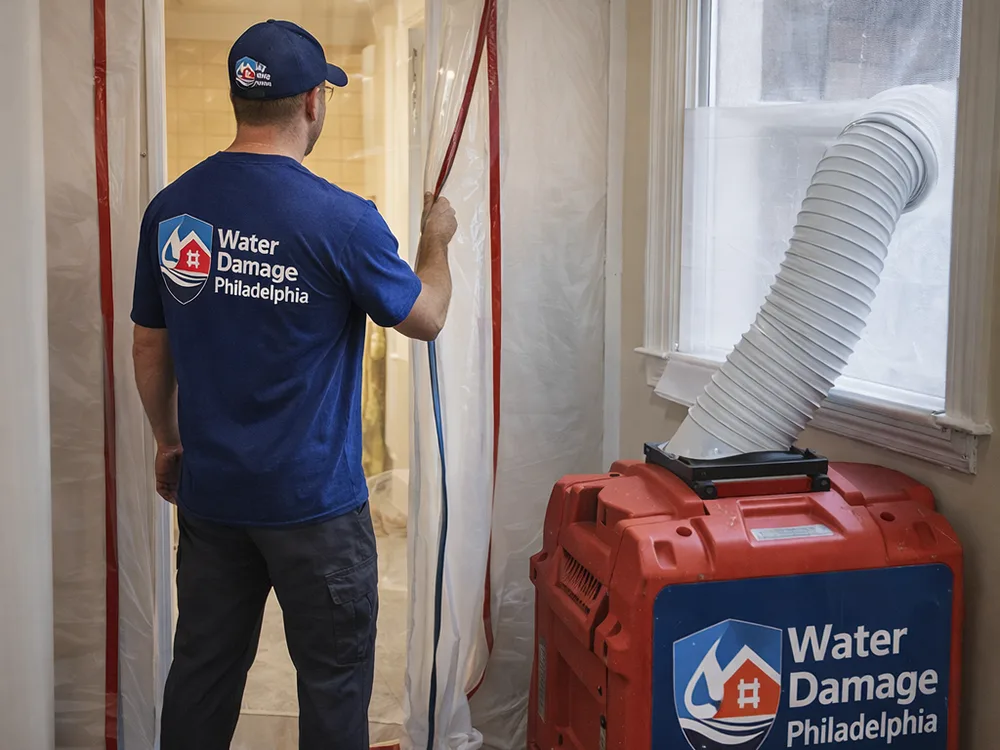
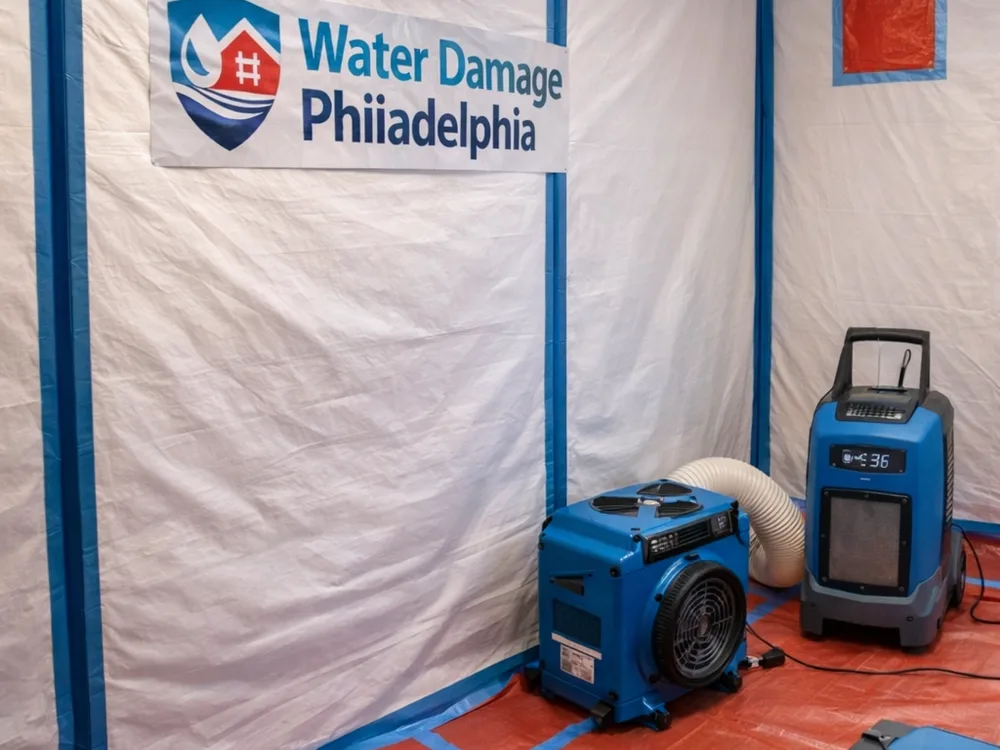
We isolate the affected area with plastic barriers and controlled airflow so spores and dust stay inside the work zone—especially important in tight Philadelphia rowhomes where air moves quickly between floors.
Serving Philadelphia, Pennsylvania & surrounding areas
Stop mold at the source with professional containment, safe removal, and detailed cleanup. Get a written scope, clear next steps, and documentation you can use for property records.
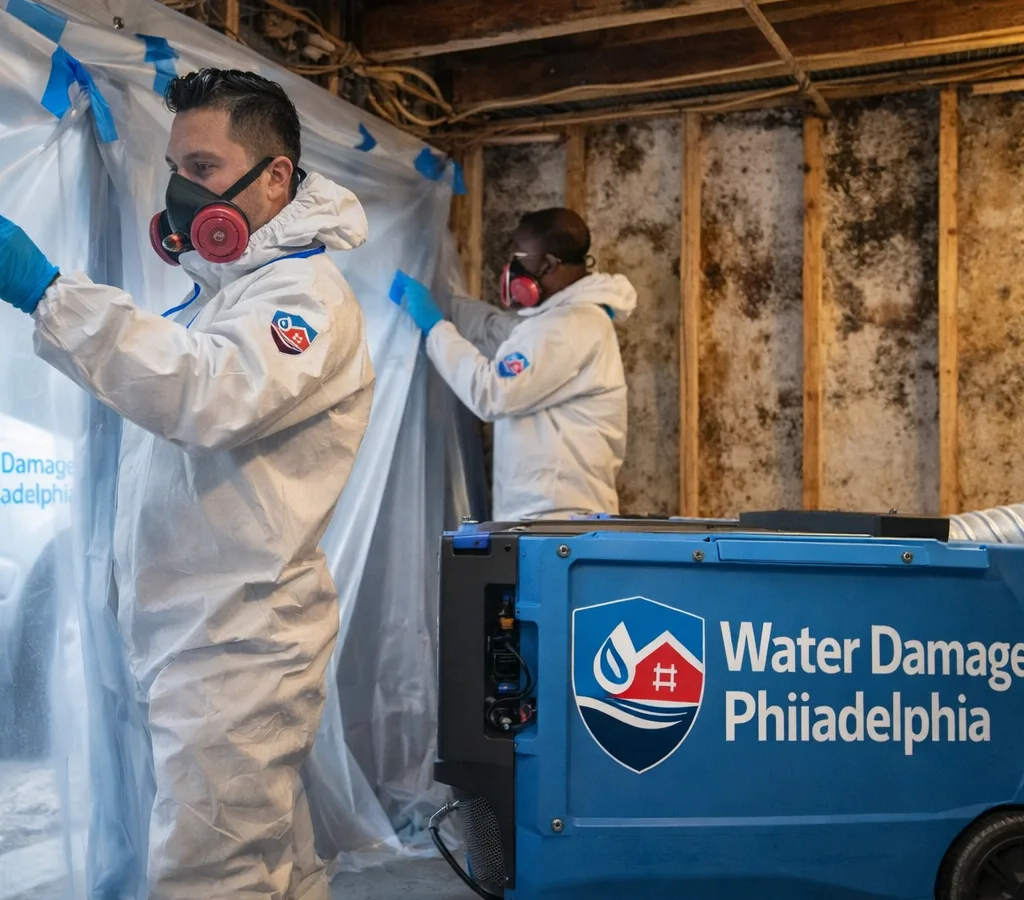
If you are searching for mold remediation Philadelphia, you are usually dealing with visible growth on building materials or persistent musty odors and symptoms after a leak or humidity issue.
Real remediation is more than spraying a chemical and painting over staining. A proper job includes:
Philadelphia properties add common challenges: older masonry and stone foundations, tight rowhome party-wall construction with limited airflow, and basements that remain humid for long stretches. Those conditions make moisture control and containment decisions as important as removal.
We work on mold problems in basements, crawlspaces, bathrooms, kitchens, attics, and around windows and HVAC supplies and returns. In Philadelphia, mold often develops where building assemblies stay cool and damp or small leaks go unnoticed.
If wet materials remain after a recent incident, immediate drying and stabilization come first. Our team at Water Damage Philadelphia PA handles both moisture and mold so the remediation plan matches what the building is doing.
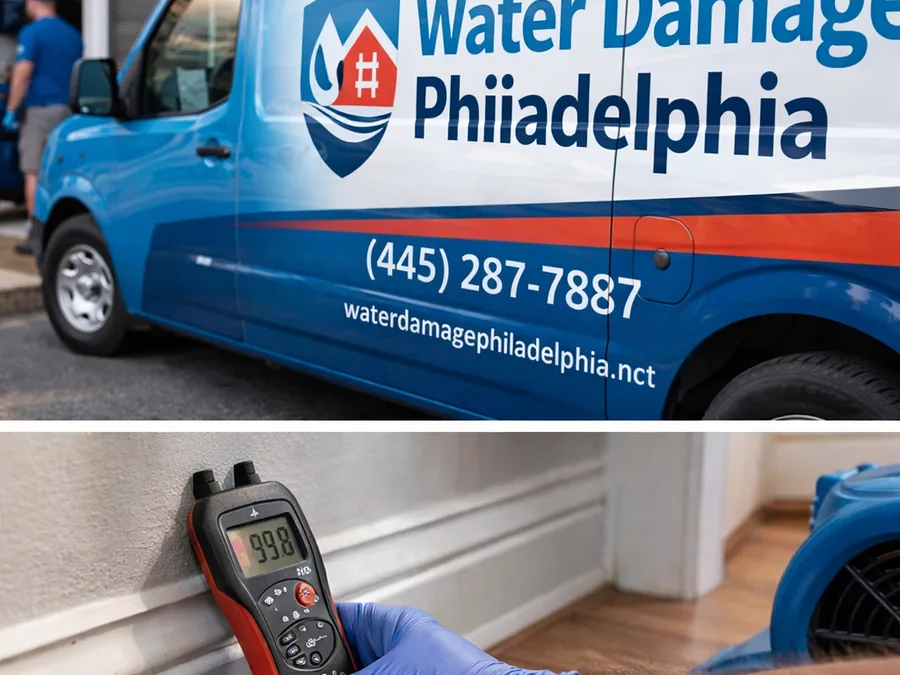
We isolate the affected area with plastic barriers and controlled airflow so spores and dust stay inside the work zone—especially important in tight Philadelphia rowhomes where air moves quickly between floors.
HEPA filtration runs during remediation and cleanup to capture airborne particles and reduce cross-contamination in adjacent rooms.
Drywall, insulation, carpet pad, and other porous materials may need removal when growth is established or they cannot be reliably cleaned. Removal stays limited to what is affected and necessary.
We clean framing, masonry, and other remaining surfaces using appropriate methods for each material, followed by HEPA vacuuming and wipe-downs to remove settled dust and residue.
The plan can account for plumbing repairs, ventilation, insulation and air sealing, dehumidification targets, and dry-time confirmation before rebuilding.
You receive a written scope and photos of affected areas and work progression for property management, real estate, or insurance conversations when applicable.
The sequence protects clean spaces, removes affected materials, captures settled particulate, and confirms moisture is controlled before repair.
Request Emergency ServiceWe inspect suspected areas, check moisture conditions where feasible, and identify likely sources such as leaks, condensation, or long-term humidity.
The scope explains what will be removed, what will be cleaned, how containment will be established, and what must happen to keep the area dry afterward.
We protect floors and pathways, set barriers, and stage equipment. Access routes are planned to reduce disruption and keep dust controlled in occupied homes.
Impacted porous materials are removed as needed, bagged, and handled appropriately. Remaining wood, masonry, and other substrates are cleaned with suitable methods.
We HEPA vacuum and wipe down ledges, framing, and surrounding surfaces within the work zone to remove settled particulate that could re-seed growth later.
We verify conditions are trending dry and discuss dehumidification or ventilation needs. Repairs should begin only after moisture is under control.
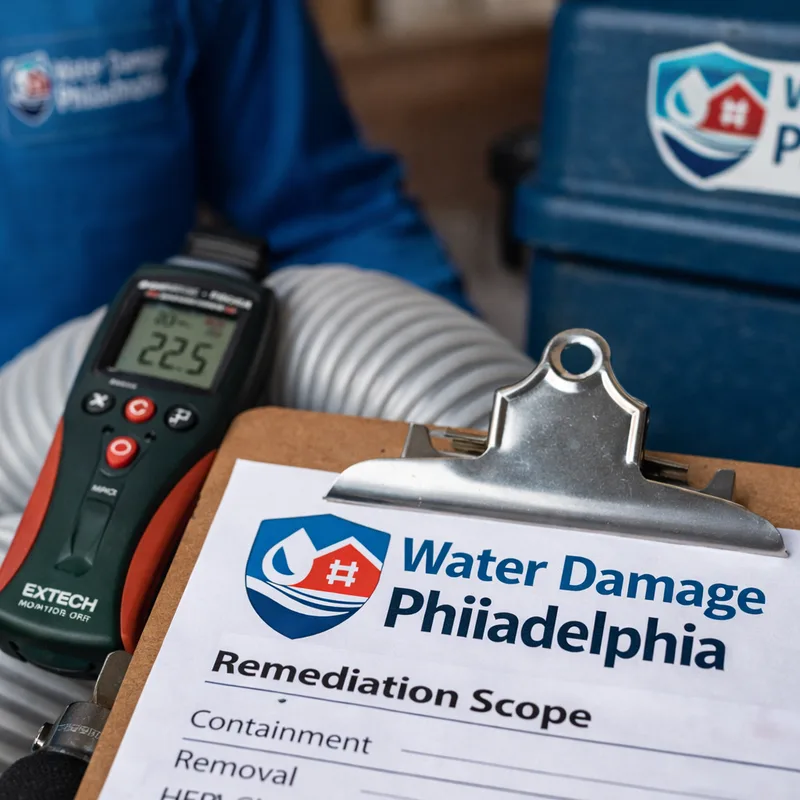
Pricing depends on the affected area, materials involved, and the difficulty of containing and accessing the work. A localized cleanup can be straightforward, while a basement or multi-room project may require extensive containment, removal, and cleaning.
Common estimate factors include:
Expect a written scope that separates remediation from repair. When mold follows a leak, we can also coordinate drying, stabilization, and equipment planning.
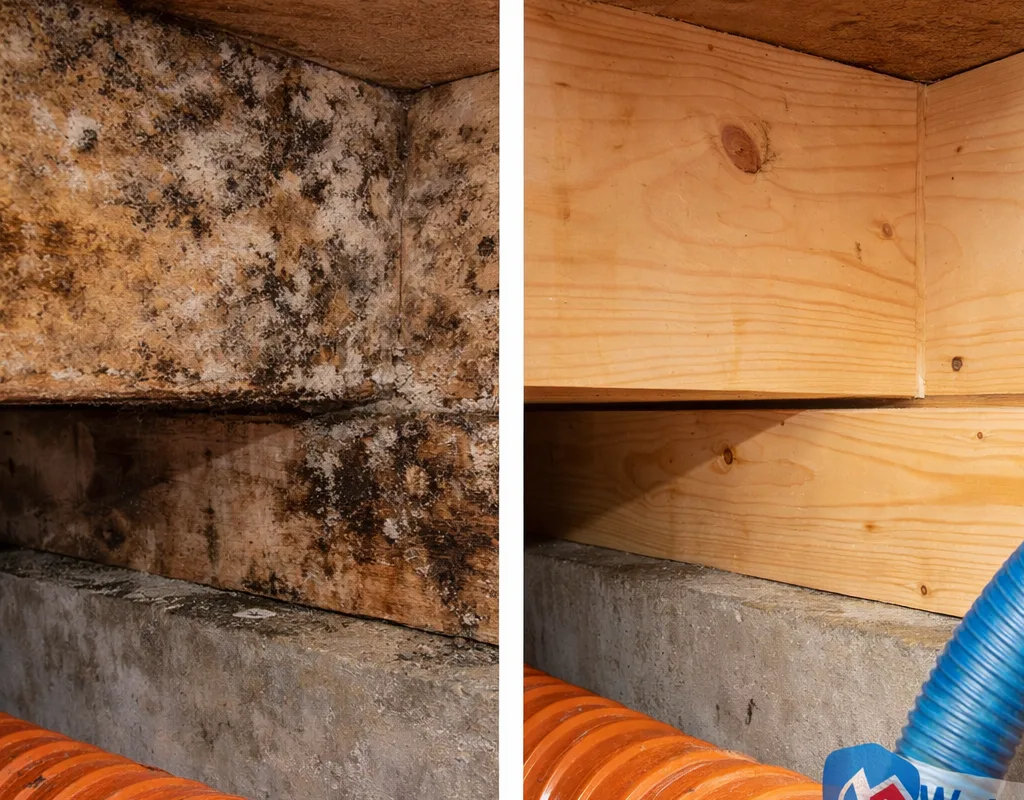
“They explained what was actually causing the mold in our basement, set up containment that kept dust out of the rest of the house, and the cleanup was thorough. The written scope made it easy to understand what was remediation versus what needed repair afterward.”
“We manage a small rental and needed the work done without spreading spores to the common areas. The crew showed up prepared, kept the area sealed, and documented everything with photos.”
Many mold remediation jobs take 1 to 3 days of on-site work, but the timeline depends on the affected area, how much material requires removal, and whether drying must happen before rebuilding. Philadelphia basement humidity can extend the project when conditions remain wet.
Often you can stay if the work area can be fully contained and there is a safe path around it. Temporary relocation may be safer when the affected area is in a main living space, respiratory concerns exist, or multiple rooms require containment.
Testing is not always necessary because visible growth and moisture conditions can already justify remediation. Sampling may be useful for real estate, insurance, or occupant-sensitivity situations and should inform the scope without delaying control of the moisture source.
Sometimes, if growth is on a surface that can be cleaned effectively. Porous materials such as drywall and insulation often require removal when contaminated. The decision depends on material type, growth extent, and whether the cavity behind it is affected.
Mold commonly returns when ongoing humidity, condensation, or a hidden leak remains. A durable fix pairs remediation with moisture control, which may include ventilation changes, dehumidification targets, and confirmation that materials are dry before walls close.
Avoid disturbing the area because scrubbing or running fans can spread spores. If safe, stop the water source, keep doors to the affected area closed, and note recent leaks or humidity issues to share during the assessment.
If you suspect mold, getting a clear scope early prevents partial cleanups and repeat problems. Share what you are seeing, and we will outline containment needs, likely causes, and a realistic remediation plan.
Call for Emergency HelpTell us what you have noticed—visible growth, odors, recent leaks, or basement humidity—and we will schedule an on-site evaluation and provide a straightforward scope for removal, cleanup, and moisture control.