
Sampling that matches the question
We do not default to a one-size package. The inspection determines whether air samples, surface samples, or focused moisture diagnostics will answer your specific concern.
Serving Philadelphia, Pennsylvania & surrounding areas
If you smell something musty, see staining, or are managing a property turnover, testing gives you lab-backed answers and a practical plan for what to do next. We schedule quickly, explain findings in plain language, and document results for owners, tenants, and buyers.
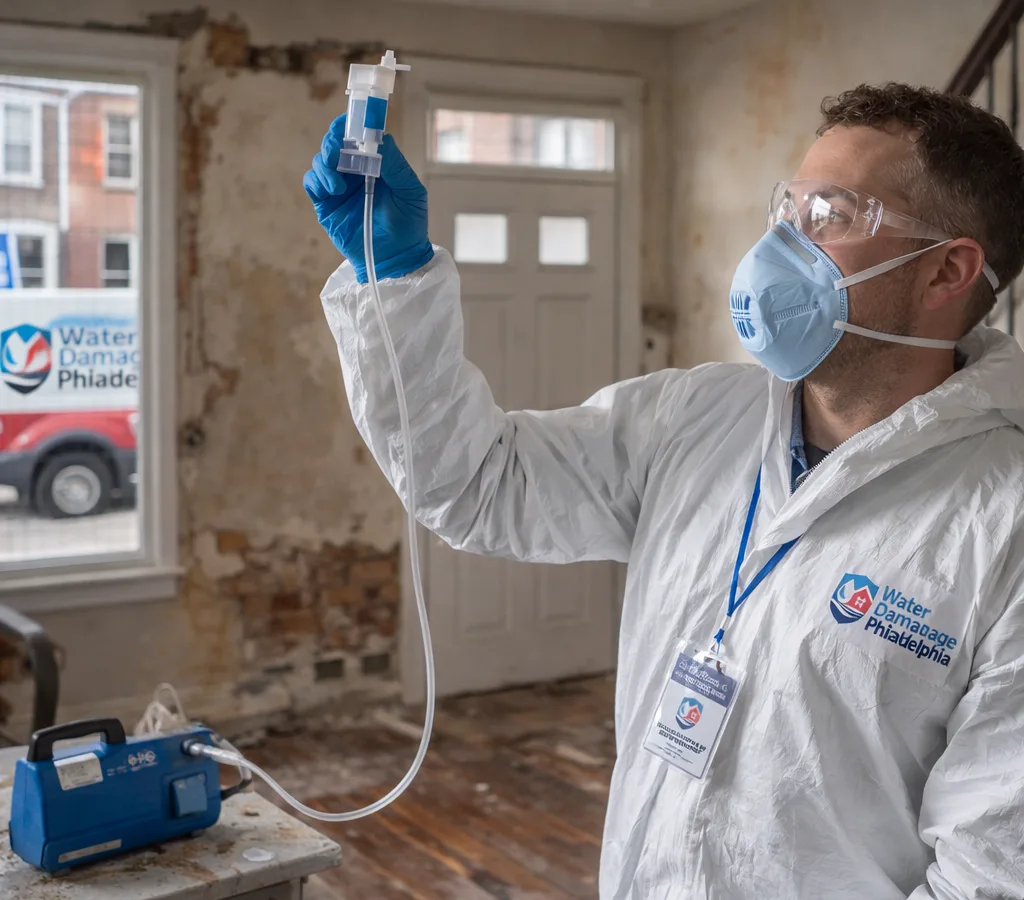
People usually search for mold testing Philadelphia when they need clarity fast: a persistent odor, visible growth, recent moisture, or a health concern. Testing is most useful when it answers a decision you have to make, such as whether to remediate, what areas to open, how to document conditions for a transaction, or whether a previous cleanup actually worked.
In Philadelphia, we commonly see moisture-driven concerns in attached housing where wall assemblies are shared, basements are finished or semi-finished, and older buildings have had many rounds of repairs. Mold can grow on drywall paper, wood framing, dust in HVAC returns, stored items, and behind finished surfaces after even a small leak.
Mold testing does not replace fixing the moisture source. It gives you a snapshot of what is in the air and what is present on surfaces at the time of sampling, plus a written record you can use to guide next steps.
A proper inspection starts with a walkthrough and a moisture-focused evaluation. We look for active and past water intrusion—roof and window leaks, plumbing leaks, condensation patterns, and damp basements—then choose sampling locations based on building layout and occupant concerns.
Typical components of an inspection and testing appointment:
Lab results typically report spore types and concentrations for air samples and identification notes for surface samples. We translate those findings into a practical readout: what is elevated, what may point to an active source, and what to do next based on health concerns, tenant documentation, or real estate deadlines.
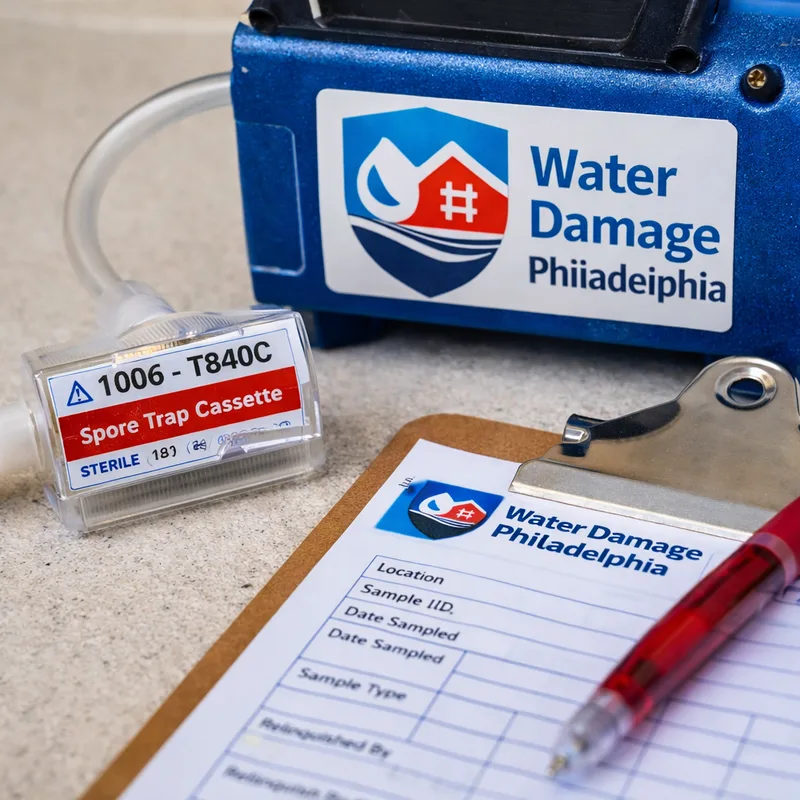
We do not default to a one-size package. The inspection determines whether air samples, surface samples, or focused moisture diagnostics will answer your specific concern.
You receive clear reporting suitable for owners, property managers, and real estate files, including sample locations and an explanation of what the results mean.
We outline options based on what we find: containment considerations, what materials may need removal, and what conditions should be corrected so the problem does not return.
We work cleanly and minimize disruption. If you have tenants, we can help you plan access and communicate what the appointment involves.
Recommendations follow commonly accepted EPA and IICRC concepts, including source control, drying, containment, and post-work verification when applicable.
Philadelphia's mix of older rowhomes, basement spaces, and retrofits can hide moisture pathways. We pay attention to where problems commonly conceal themselves: behind finished basement walls, around window openings, and at party-wall transitions.
The process is organized around the decision you need to make, from selecting useful samples through reviewing the laboratory findings.
Request Emergency ServiceTell us what you are seeing or smelling, whether anyone is sensitive, and your timeline—tenant move-in, buyer inspection window, or maintenance planning. We will recommend the right level of testing.
We inspect the areas of concern, check for moisture patterns, and collect samples where they will produce useful answers. You will know what we sampled and why before we leave.
Samples go to an accredited lab for analysis. When results are in, we review them with you and provide a written summary that connects findings to next steps.
If remediation is warranted, we help you understand scope and sequencing: fix moisture first, then cleanup, then verification. If you are also dealing with active moisture issues, start with an assessment of water damage in Philadelphia so the source is addressed alongside any mold concerns.
Pricing varies because the right approach depends on the building and the question you are trying to answer. In general, cost is driven by:
For a firm number, share what you are seeing, the address ZIP, and whether the concern is localized or building-wide. Photos can help. We will propose a testing plan with a clear scope before samples are collected.
“We had a musty smell in the basement that came and went. The inspection pinpointed likely moisture entry points and the air samples gave us a clear comparison to outside. The report made it easy to decide what to remove and what just needed drying and sealing.”
“As a property manager, I needed something I could document. The sampling locations were clearly listed, and the explanation of results was written so I could share it with tenants and ownership without translating technical terms.”
Most appointments take 60 to 120 minutes depending on how many areas we inspect and how many samples are appropriate. Air sampling itself takes a set collection time per sample, and the rest is inspection, moisture checks, and choosing the right locations so the lab results answer your question.
It depends on what you are trying to confirm. Air testing helps when you suspect hidden growth or want an indoor-versus-outdoor comparison, while surface testing helps identify what is on a visible spot. Many Philadelphia homes have basement or wall-cavity concerns where moisture mapping plus targeted air sampling provides the most useful information, but we only recommend sampling that changes the decision you will make.
Lab turnaround is typically a few business days, and timing can vary by lab workload and sample type. If you have a tight real estate or tenant timeline, mention it during scheduling so we can plan the sampling and reporting workflow appropriately.
Yes, post-remediation verification is a common reason to schedule mold testing. The goal is to confirm that affected materials were removed or cleaned properly and that airborne spore levels and visual conditions are consistent with a successful cleanup, with results documented in a written report.
In most cases, occupants can stay during the inspection and sampling, as testing is non-destructive and does not involve applying chemicals. If anyone in the home is highly sensitive, we can plan the appointment to minimize time in the affected area and discuss practical precautions during the visit.
Testing can indicate what is present and whether indoor air differs from outdoor conditions, but locating the source is usually a combination of inspection, moisture evidence, and sometimes limited investigative openings performed by a qualified contractor. Our report focuses on likely moisture drivers and where further investigation is most justified.
Yes, we work with homeowners and property managers and can help plan access for occupied units, turnovers, and maintenance windows. Clear documentation matters in rental situations, so we make sure sample locations, conditions, and findings are written in a way that can be shared with stakeholders.
If you are dealing with odor, staining, or a recent leak, getting testing scheduled early helps you avoid chasing the wrong fix. Share what you are seeing and your timeline, and we will recommend a scope that matches the problem.
Call for Emergency HelpTell us what prompted the concern and where it is happening in the building. We will help you choose the right sampling approach, then provide lab results and a straightforward plan for next steps.