
Moisture-first diagnostics
We prioritize the moisture source and how water is reaching materials. Mold is a symptom; moisture is the driver. Without moisture mapping, remediation plans often miss the root cause.
Serving Philadelphia, Pennsylvania & surrounding areas
Get a clear, written assessment of suspected mold and moisture issues, with practical next steps you can act on right away.
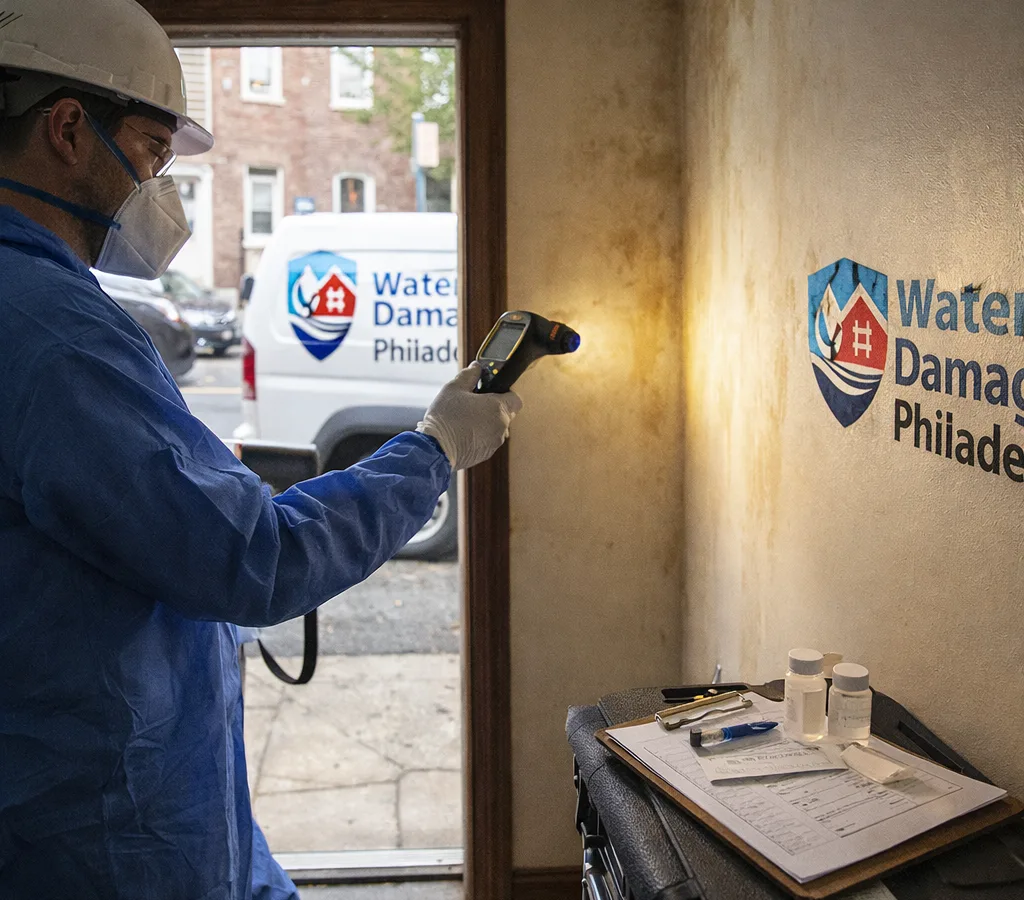
If you are searching for mold inspection Philadelphia, you probably have a reason: a musty odor, visible spotting, recent water intrusion, or a tenant or buyer asking questions. A good inspection finds where moisture is coming from and documents what is—and is not—present so you can choose the right next step.
Water Damage Philadelpha provides mold inspections for homes and small commercial spaces across Philadelphia. We focus on water-related mold conditions, including roof or plumbing leaks, wet basements, condensation in tight wall cavities, and damp building materials that never fully dried.
Philadelphia properties often include older brick rowhomes, plaster walls, finished basements, shared mechanical chases, and renovated cavities where small leaks can stay hidden. We account for the airflow, humidity, and construction details found in Fishtown, Northern Liberties, Center City, and West Philadelphia rather than relying on a one-size-fits-all checklist.
For active leaks or water damage emergencies, stabilize the moisture first. Our water damage work in Philadelphia can support the broader response when inspection alone is not the first step.
A mold inspection is an evaluation and documentation process. The goal is to identify suspect areas, verify moisture conditions, and collect the right evidence so remediation, if needed, is scoped correctly.
You receive clear findings and guidance so you can decide whether you need cleaning, containment and removal, drying and dehumidification, or further investigation.
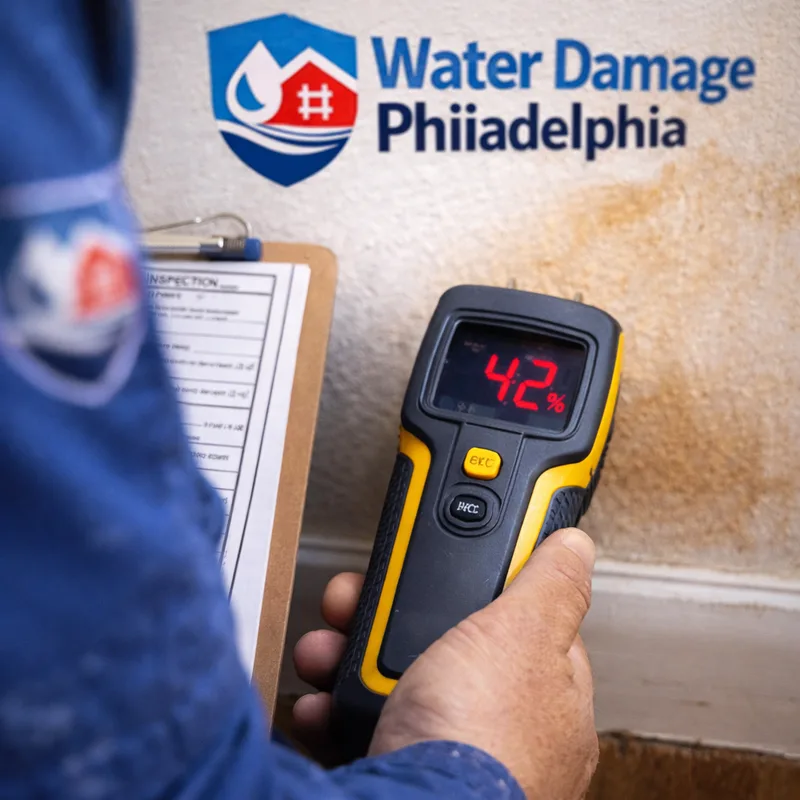
We prioritize the moisture source and how water is reaching materials. Mold is a symptom; moisture is the driver. Without moisture mapping, remediation plans often miss the root cause.
Documentation is written in plain terms—location, material type, moisture condition, and recommended next steps—so it can be shared with a property manager, adjuster, or remediation crew.
We recommend sampling when it will change the plan, support a real estate timeline, or provide useful documentation for occupants—not simply as a checkbox.
We inspect finished basements, party walls, and older assemblies with the understanding that leaks can travel laterally or remain behind finishes.
If removal is needed, we outline realistic containment and removal options and identify what must change—such as ventilation or targeted drying—to reduce the chance of recurrence.
The process follows the evidence: history, moisture conditions, targeted investigation, and practical recommendations.
Request Emergency ServiceWe start with what you have noticed—odor, staining, prior leaks, or recurring concerns—and where it occurs so the inspection begins in the right areas.
We inspect accessible areas, check common entry points, and take readings across suspect surfaces, including materials that may still be drying behind finishes.
If sampling will clarify conditions, document a baseline, or support a clearance plan, we discuss the useful options. Straightforward visible-growth cases may not require it.
You receive findings that identify affected materials, likely leak or condensation pathways, and how any necessary remediation should be contained and performed.
When contractors, tenants, or a sale are involved, we help clarify what a proper remediation setup and reasonable post-work documentation should include.
Finished basements can trap moisture in framing, drywall, and carpet padding. We look along perimeter walls, around utility penetrations, and in storage rooms where airflow is poor.
Intermittent sink leaks, failed grout or caulk, and poor exhaust ventilation can produce recurring growth behind vanities or above showers. We check both elevated moisture and where steam condenses.
We assess whether cold, sweating window surfaces reflect a localized issue or a larger indoor humidity and ventilation problem.
New finishes may hide older water damage, while airflow changes can create new condensation points in enclosed cavities or HVAC pathways.
When a buyer, seller, landlord, or tenant needs a written record, we focus on objective findings and a clear correction plan. If the concern began with flooding or a leak, moisture stabilization should come first so the inspection is not evaluating a moving target.
“We had a persistent musty smell in our finished basement and could not tell if it was just humidity. The inspection pinpointed a damp section behind the baseboards and explained what needed to be opened up versus what could be dried. Having it in writing made it much easier to coordinate the fix.”
Alyssa R.
“During a condo sale, the buyer asked for mold documentation after an old leak. The inspector walked through the unit, checked moisture around the repaired area, and recommended exactly what kind of cleanup and verification made sense. It kept the process moving.”
Mark T.
Pricing usually depends on the space size, the number of areas requiring moisture mapping, and whether sampling is included. As a general, non-binding estimate, inspections often range from $250 to $750; larger homes, multi-unit properties, or multiple samples can cost more.
Lab testing is not always necessary. Visible conditions, moisture readings, and building history can often guide the next step. Testing is most useful for documentation, hidden concerns, multiple possible sources, or before-and-after remediation baselines.
Scheduling depends on demand, with priority given to time-sensitive situations such as active water intrusion, real estate deadlines, and occupant concerns. Share your timeline and affected areas so the earliest available appointment can be confirmed.
Leave the suspect area as-is and avoid heavy cleaning with bleach or strong antimicrobials immediately before the visit. If safe, clear access under sinks and near walls, and note recent leaks, repairs, or humidity concerns.
Moisture meters, thermal imaging, and targeted inspection points can often identify likely hidden moisture. Confirming mold behind finishes may require limited, strategic access when readings and conditions indicate a problem.
You should expect guidance matched to the observed conditions, including affected materials, suitable containment, and the moisture source that must be corrected. The exact method varies by material, extent, and whether the work area is occupied.
Yes. Written findings summarize observed conditions, relevant moisture readings, and clear recommendations. This documentation can help Philadelphia landlords, tenants, buyers, and sellers align on reasonable repairs and verification.
If you are dealing with a musty odor, visible growth, or a recent leak, get an inspection that explains the moisture source and gives you a clear plan before any remediation starts.
Call for Emergency HelpTell us what you are seeing and where it is happening. We will schedule an on-site inspection, document the findings, and outline the next steps to correct the moisture and address any affected materials.