Containment first
We treat mold like a spread risk. Containment and negative pressure are used when conditions call for them, especially near return air, stairwells, or shared walls common in Philadelphia rowhomes.
Serving Philadelphia, Pennsylvania & surrounding areas
Get a clear plan to stop the spread, remove contamination safely, and leave the area clean, dry, and ready for repair.
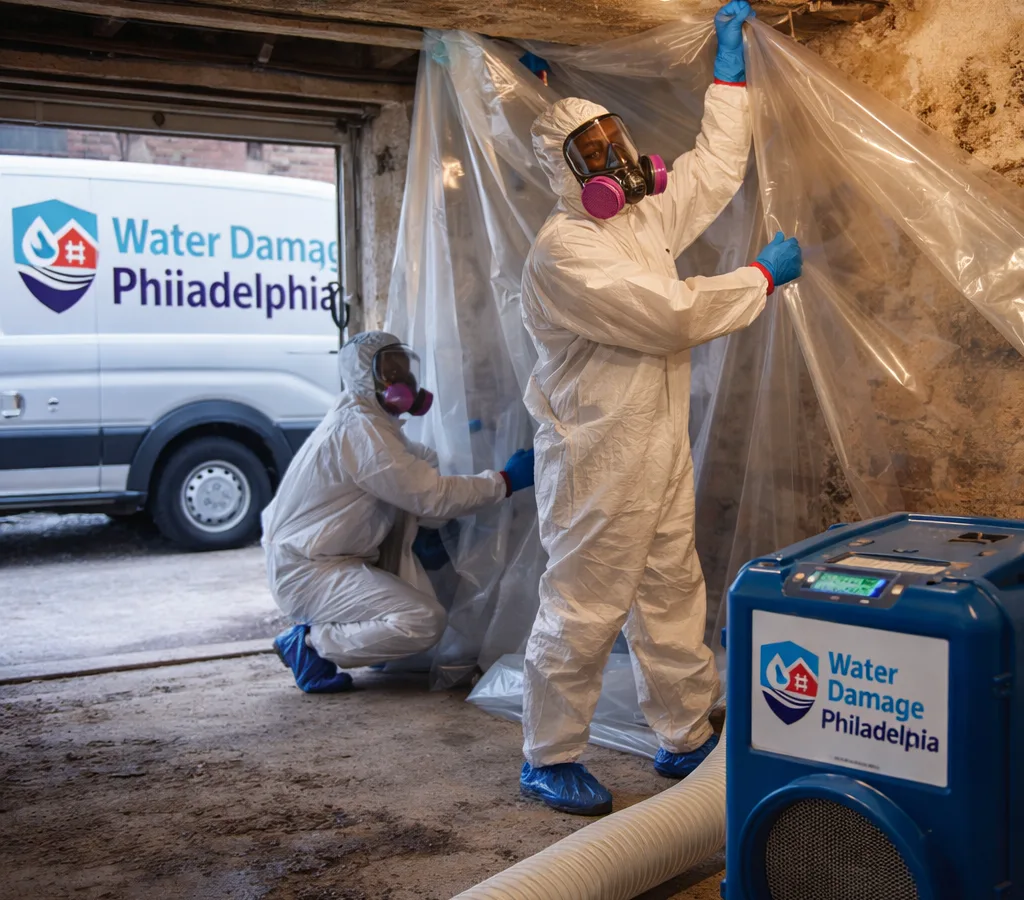
If you are searching for mold removal Philadelphia homeowners can trust, the goal is always the same: remove the mold you can see, address the mold you cannot, and correct the moisture conditions that let it grow.
Philadelphia housing has older basements, tight party walls in rowhomes, and long runs of plumbing and HVAC. Mold problems are often tied to slow leaks behind finished walls, humidity below grade, and past water events that never fully dried. Our team focuses on safe containment, thorough removal, and a written scope you can understand before work starts.
We coordinate mold removal for:
If growth follows a recent leak or flooding, the moisture source should usually be addressed first. Many projects also require water damage restoration as part of the same overall plan.
Effective remediation is more than spraying a chemical and wiping a surface. A proper mold removal job is built around containment, filtration, controlled removal, and verification.
Fogging, ozone, or perfumed treatments without containment and physical removal are not complete remediation. Mold must be removed from affected materials and the moisture problem corrected, or it typically returns.
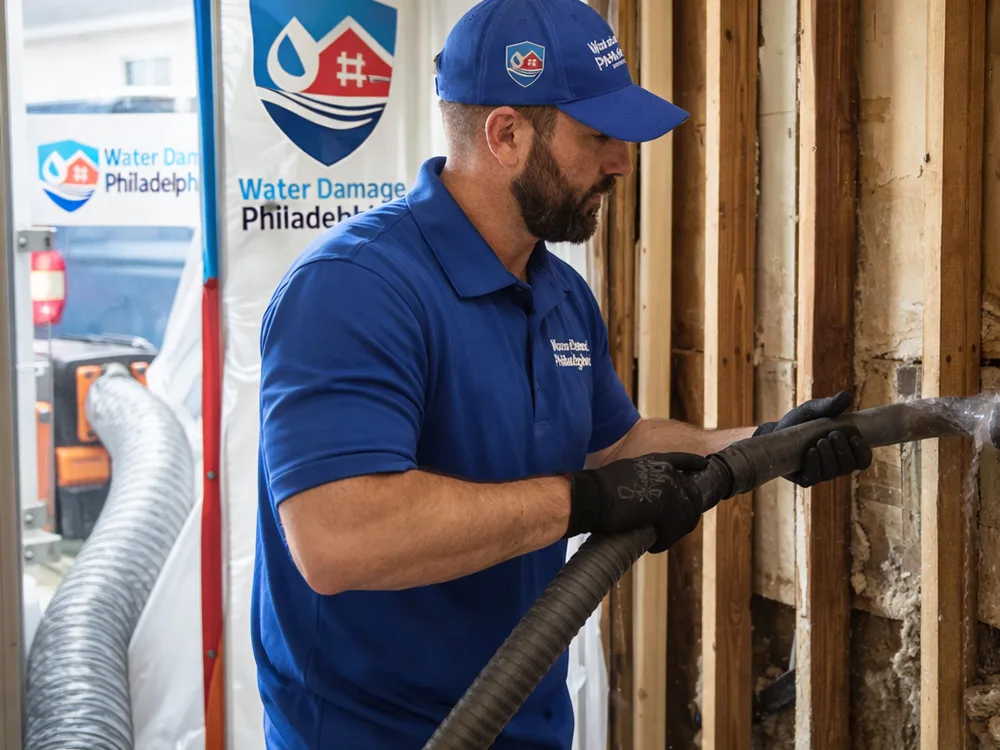
We treat mold like a spread risk. Containment and negative pressure are used when conditions call for them, especially near return air, stairwells, or shared walls common in Philadelphia rowhomes.
HEPA air scrubbers and vacuums capture fine particles and help keep disturbed spores from migrating to clean rooms.
Heavily contaminated porous materials often need removal. We explain what is salvageable and what is not.
We use moisture readings to confirm drying progress so repairs are not built over damp framing or subflooring.
You receive a written scope describing the work area, containment plan, removal steps, and conditions required before repairs or painting.
We plan access, protect pathways, and keep the work zone separated so the rest of the home can function as normally as possible.
Each phase limits cross-contamination, removes affected materials, stabilizes moisture, and prepares the area for repair.
Request Emergency ServiceWe inspect visible growth, suspect areas, and the likely moisture driver. You receive a clear outline of what is included and excluded.
We isolate the work area, establish clean entry, and run HEPA filtration. Negative pressure is used when needed so air flows into containment rather than into the home.
Contaminated porous materials are removed and bagged inside containment. Remaining surfaces are HEPA vacuumed and cleaned without relying on masking odors or surface-only treatments.
We dry the area with dehumidification and targeted airflow, verify conditions before closing walls, and identify building or plumbing issues that need correction.
We detail-clean the contained area and review repair steps so you know which materials were removed and why.
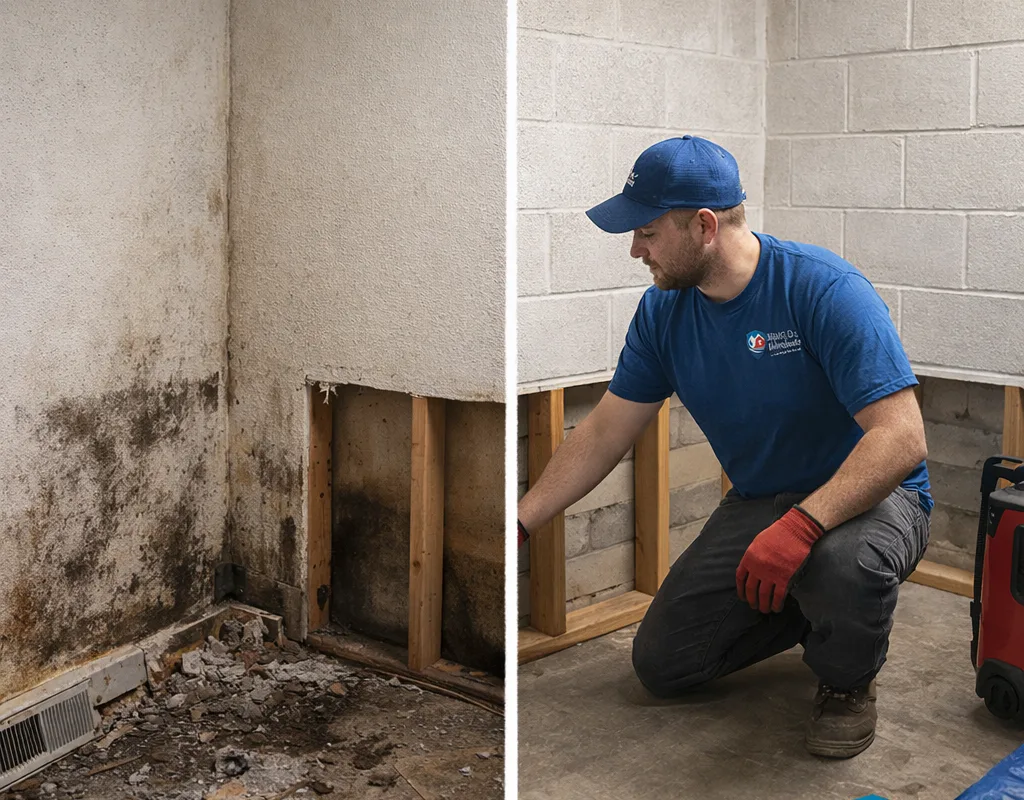
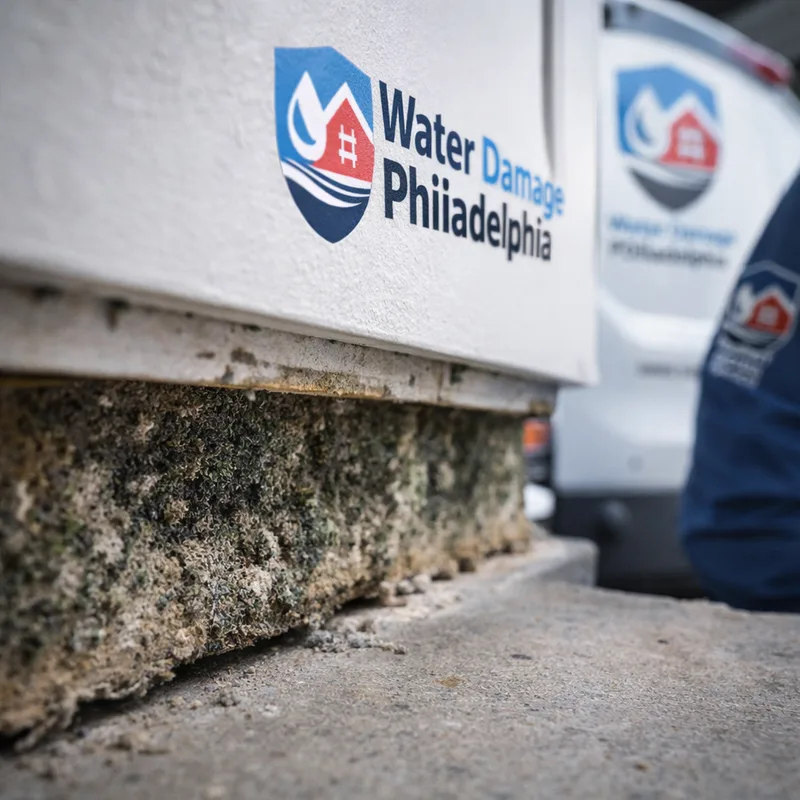
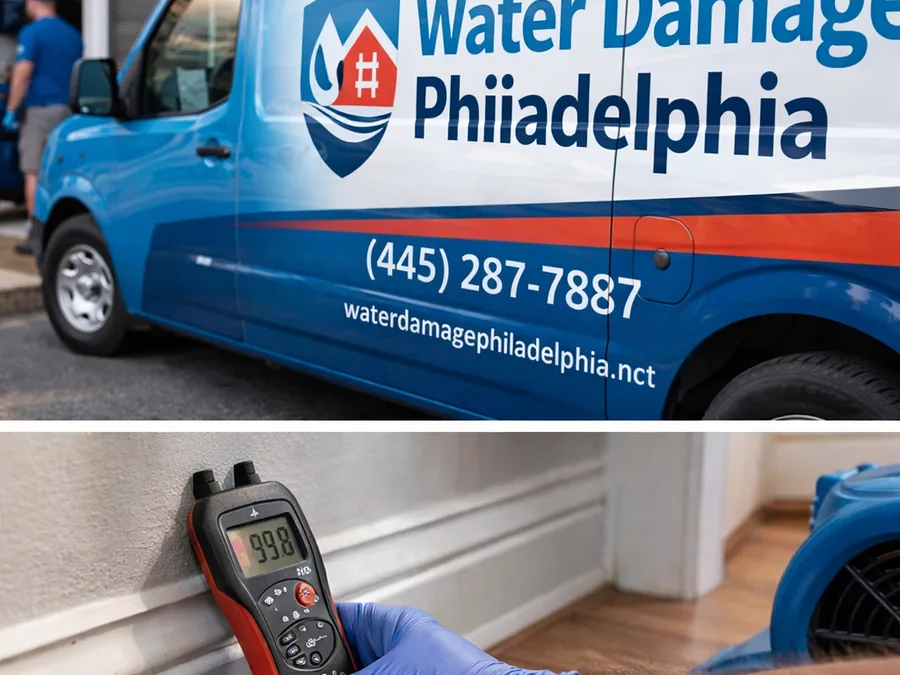
Mold problems are rarely random. The building details usually tell the story, and the scope should reflect the realities of Philadelphia homes.
Request Emergency ServiceFinished walls can hide seepage and condensation along exterior masonry. In areas such as Fishtown and Northern Liberties, it is important to confirm what is behind updated finishes before cosmetic repairs.
A small, steady leak can feed mold inside a wall cavity without an obvious puddle. The first sign is often odor or bubbling paint.
Philadelphia summers are humid, and basements can remain damp without managed dehumidification and ventilation. Remediation should include a realistic humidity-control plan.
Attached homes can have complicated airflow through stairwells, utility chases, and returns. Containment and air control matter when the layout encourages movement between rooms.
We operate locally in Philadelphia, PA 19123, and plan work around city access, tight mechanical rooms, and occupied homes.
If you suspect mold, get an on-site evaluation and a written scope before anyone starts tearing out materials or applying treatments.
Call for Emergency HelpCost depends on the affected area, materials involved, and required containment and air control. Smaller localized projects may fall in the low thousands, while larger basement or multi-room projects with demolition and drying can be higher. An on-site scope is the reliable way to define pricing.
Many residential projects take 1 to 3 days of active work, but timelines vary with demolition and drying needs. Ongoing moisture or slow-drying below-grade spaces can extend the verification period.
Often you can stay if the work area and entry routes can be isolated. The recommendation depends on location, HVAC pathways, and household sensitivities; temporary relocation from the immediate area may be appropriate during active removal.
Yes. Mold can penetrate porous materials beyond the surface. We establish containment, remove affected materials in a controlled way, and clean remaining framing and surfaces with HEPA methods and appropriate cleaners.
Yes, but the work must address contamination and moisture. Carpet pad, insulation, and lower drywall often require removal, followed by drying and disinfection before remediation is complete.
Testing can be useful, but many jobs can be scoped from visible growth and moisture conditions. For documentation, real estate, or a disputed cause, testing should be timed so it is meaningful without delaying control of active spread.
No. Paint and most household cleaners do not correct the underlying issue and may leave contamination in porous materials or behind surfaces. Proper remediation combines containment, physical removal or HEPA cleaning, and moisture correction.
Tell us what you are seeing and where it is happening. We will outline the next steps, the containment approach, and what it will take to get the area clean and dry.